
Still Lives
That is not a typo. The traditional still life — natura morta, dead nature — was never really about fruit. It was about status: a choreographed display of wealth, abundance, and social position rendered in luminous oil on canvas. The subjects were chosen to impress. The arrangements were designed to signal. The people who commissioned them wanted to be read.
My subjects have a different agenda.
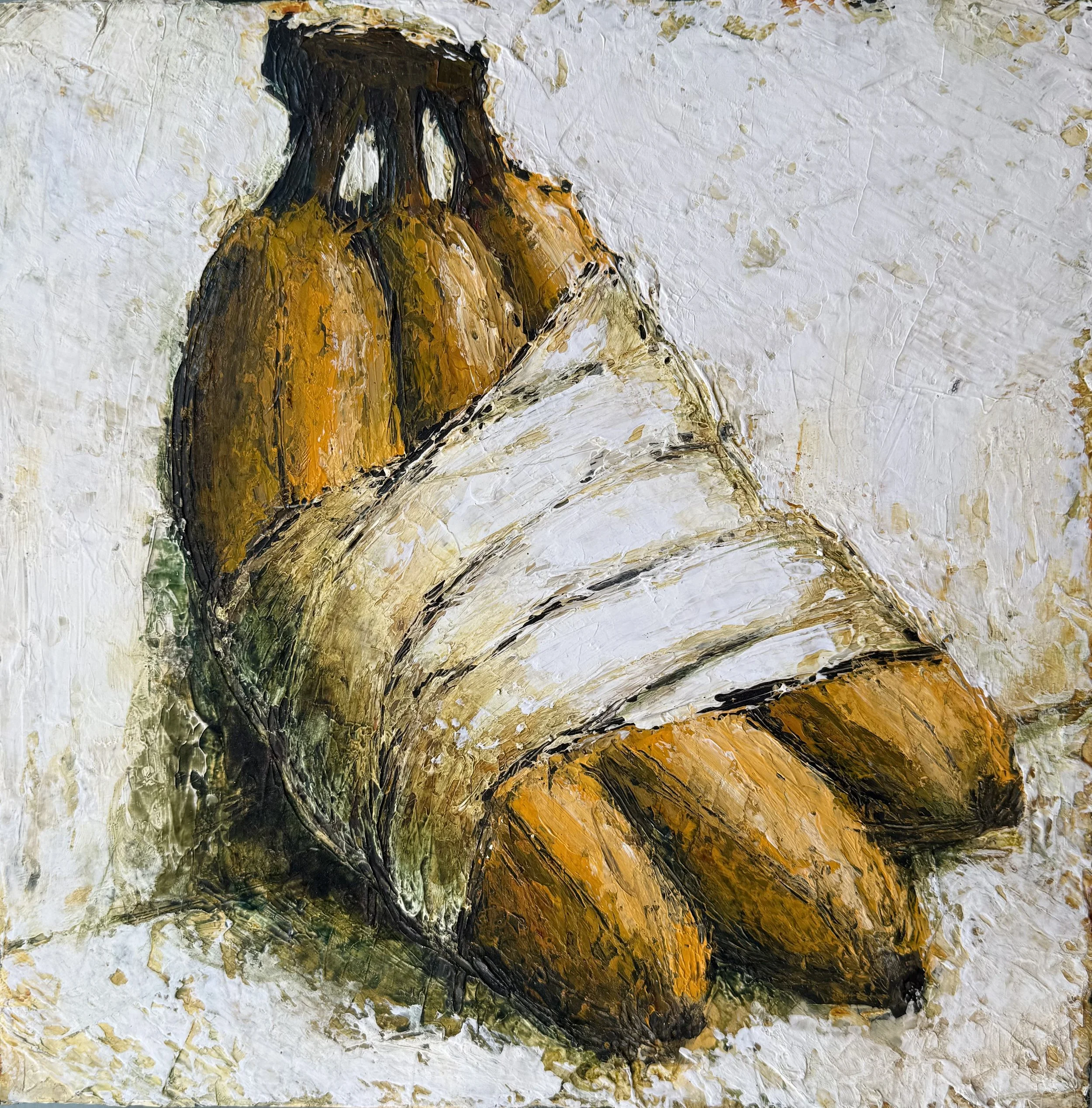
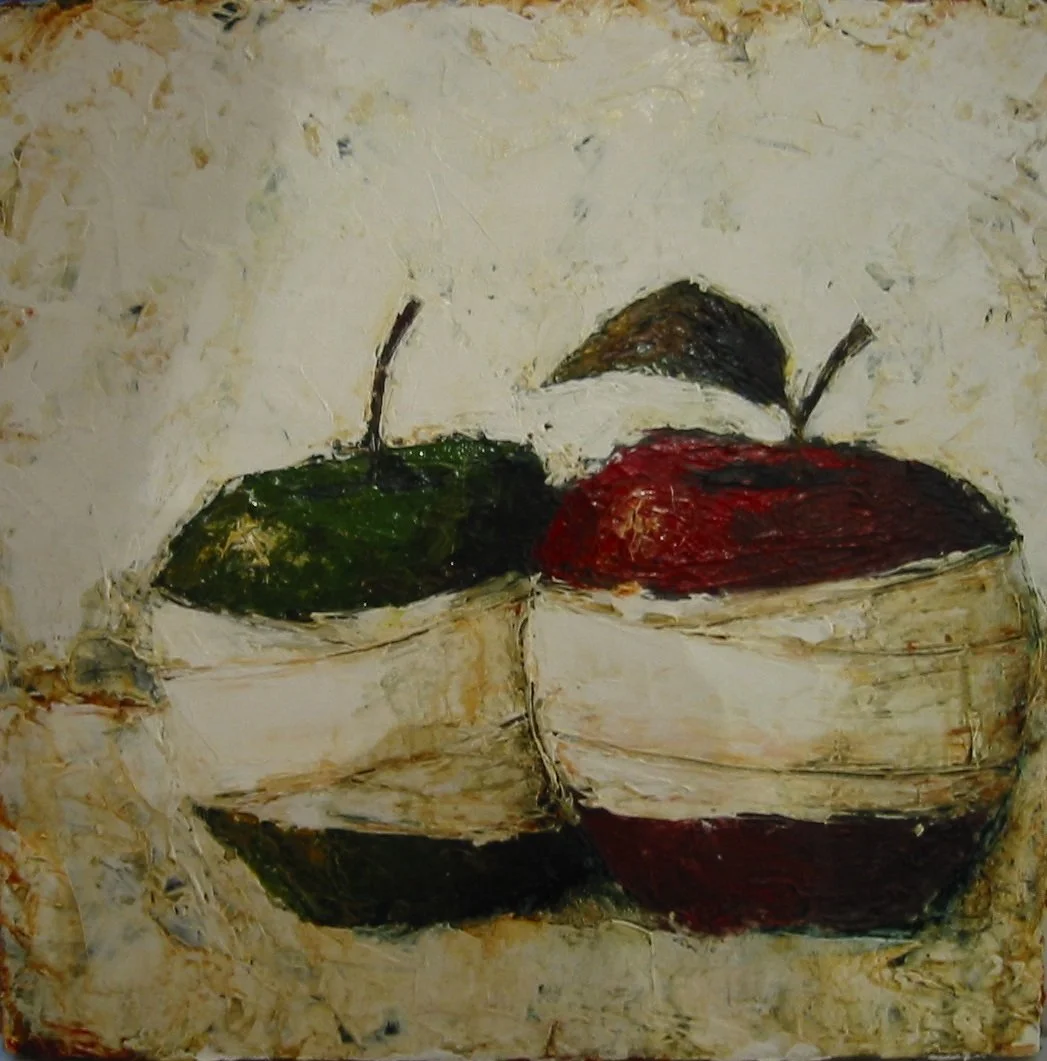
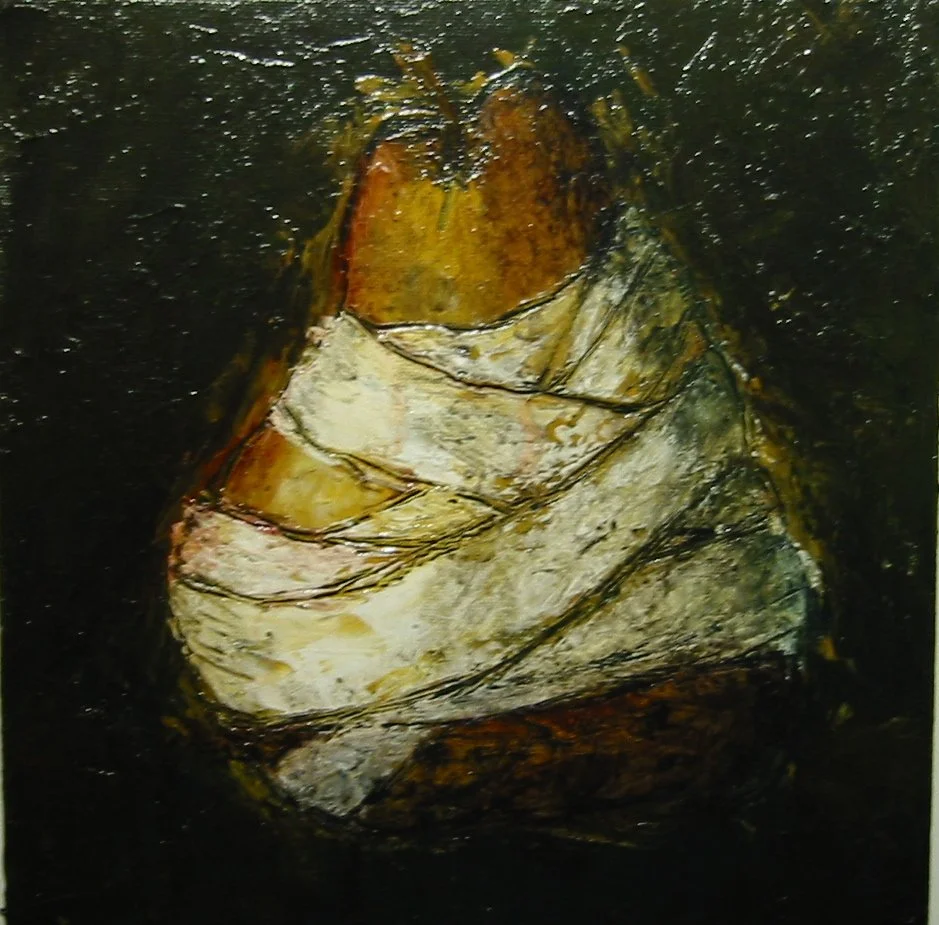
Working in acrylic, I use the pear as a figure: weighted, upright, socially aware. What emerges in each painting is not an arrangement but a scene — the unspoken choreography of people in proximity to one another. Families. Friends. Lovers. The gap that opens between two people in the same room. The cluster that forms and the one who stands apart.
This is what I call Anthropomorphic Expressionism: not symbolism, not metaphor, but the direct inhabiting of a form by a human presence. The tradition I am drawing on is less the vanitas and more the intimate social observation of the Fijnschilders and the Nabis — painters who understood that the most charged moments between people are rarely the ones anyone speaks about.
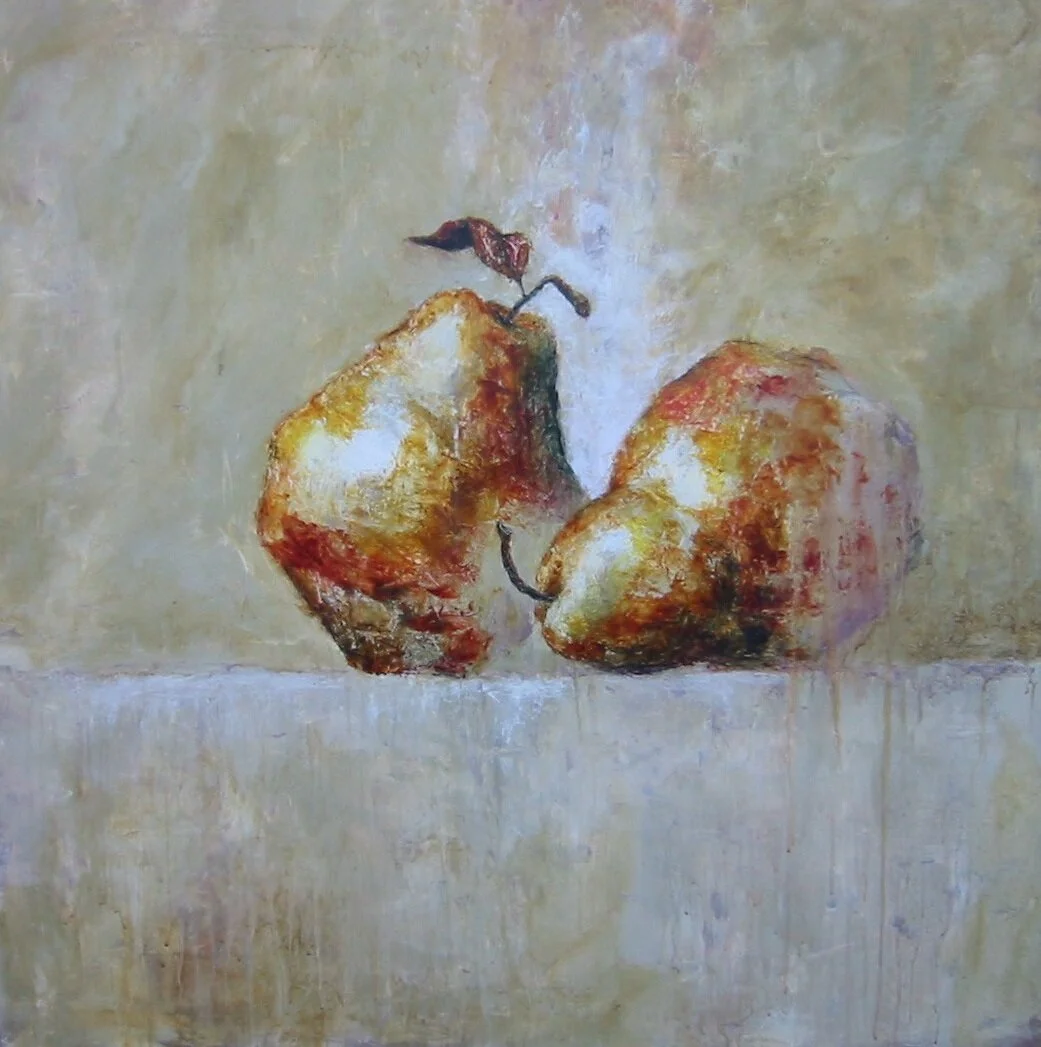
Riverside, 40" x 40" (sold)

The Affair, 40" x 40" (sold)

Sisters, 40" x 56" (sold)
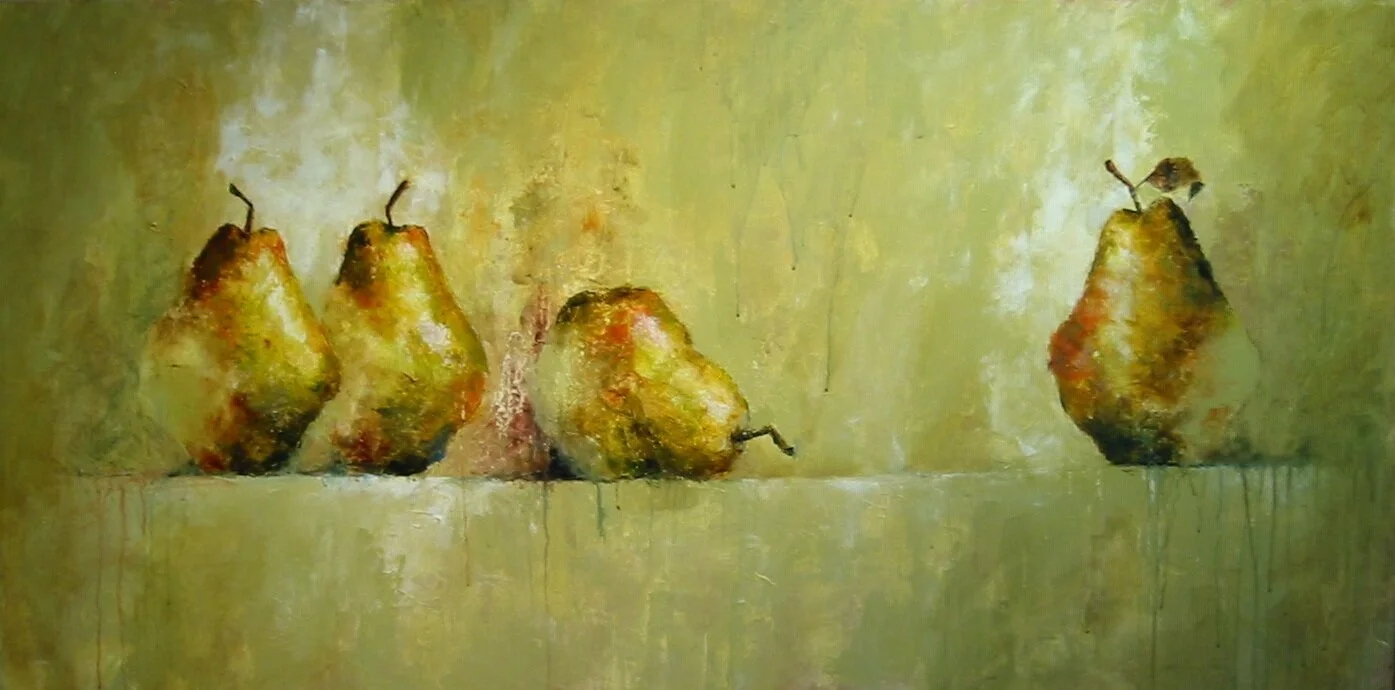
Family Reunion, 20" x 48" (sold)
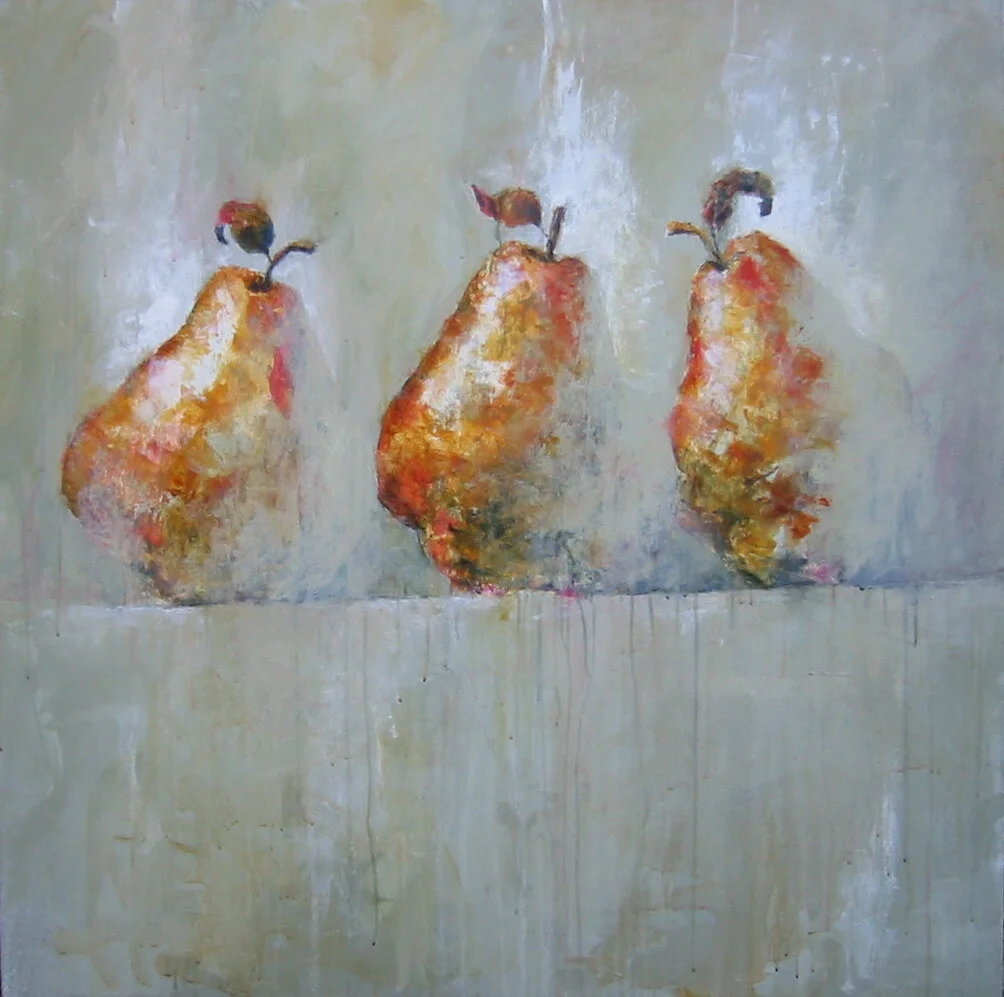
Three Amigos, 36" x 36"

Camille, 20" x 20" (sold)

Dancers, 40" x 30" (sold)

Franklin Street 40"x40" (sold)

Three Watchmen, 36" x 36" (on loan)
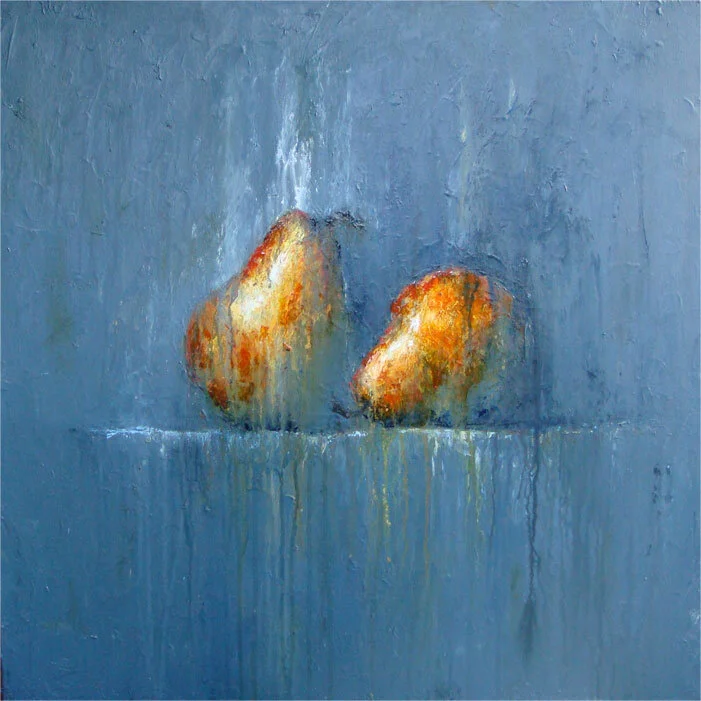
Invocation, 20" x 20" (sold)
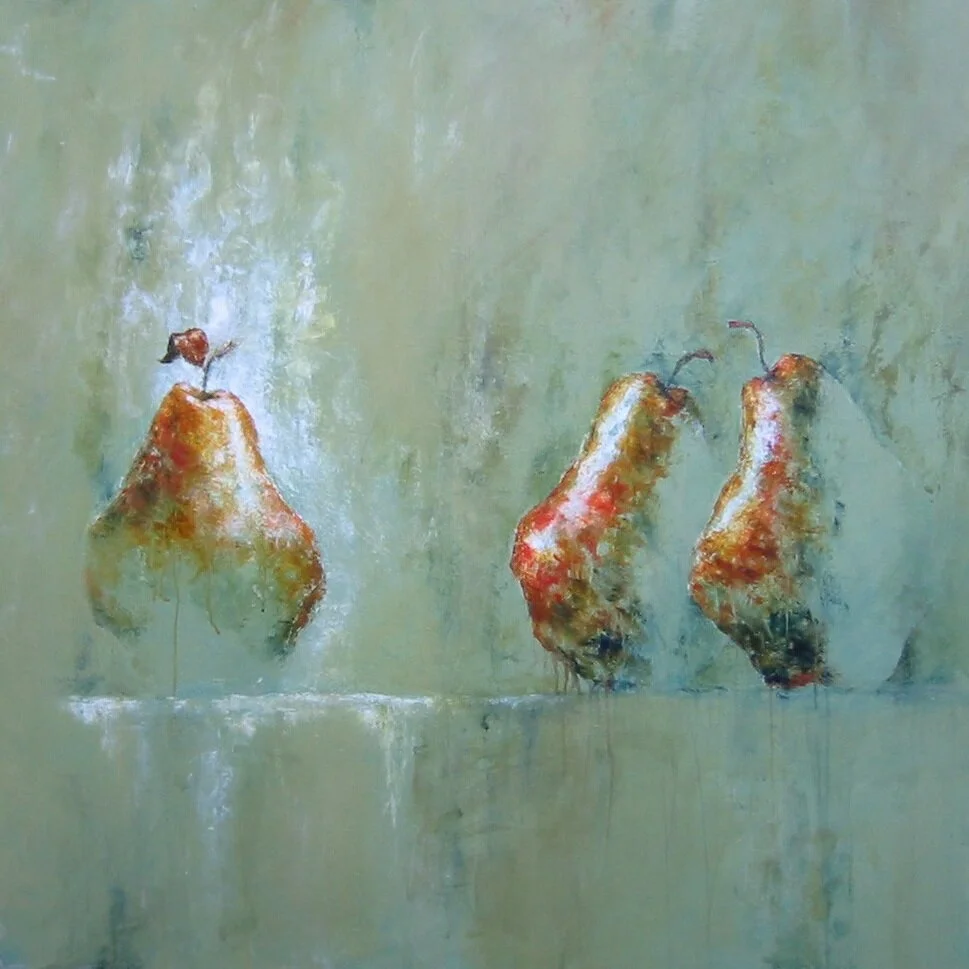
Recounting Her Blessings, 40" x 40"
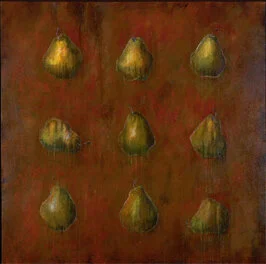
Nine, 48" x 48" (sold)
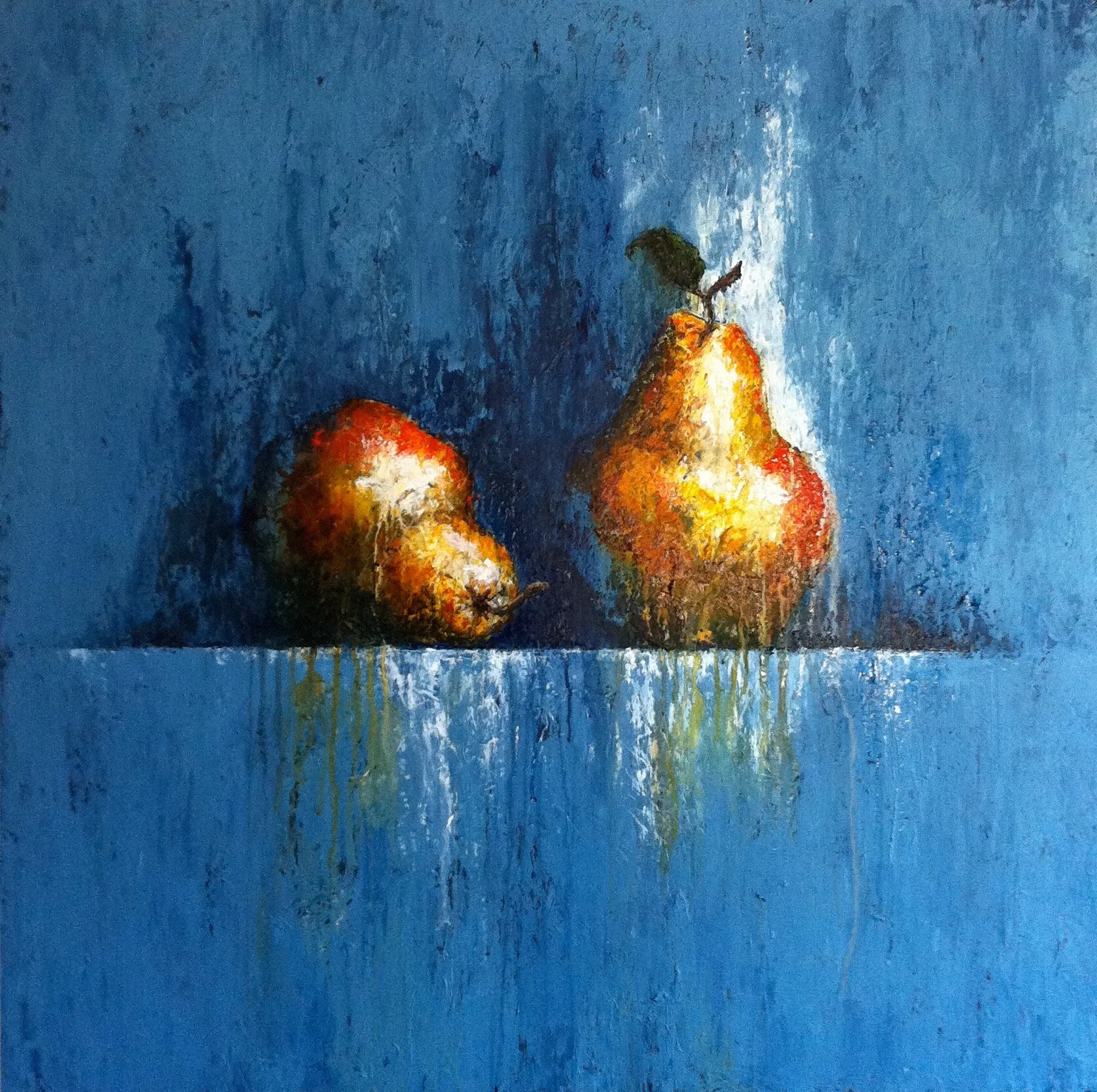
The Arrangement, 20" x 20" (sold)
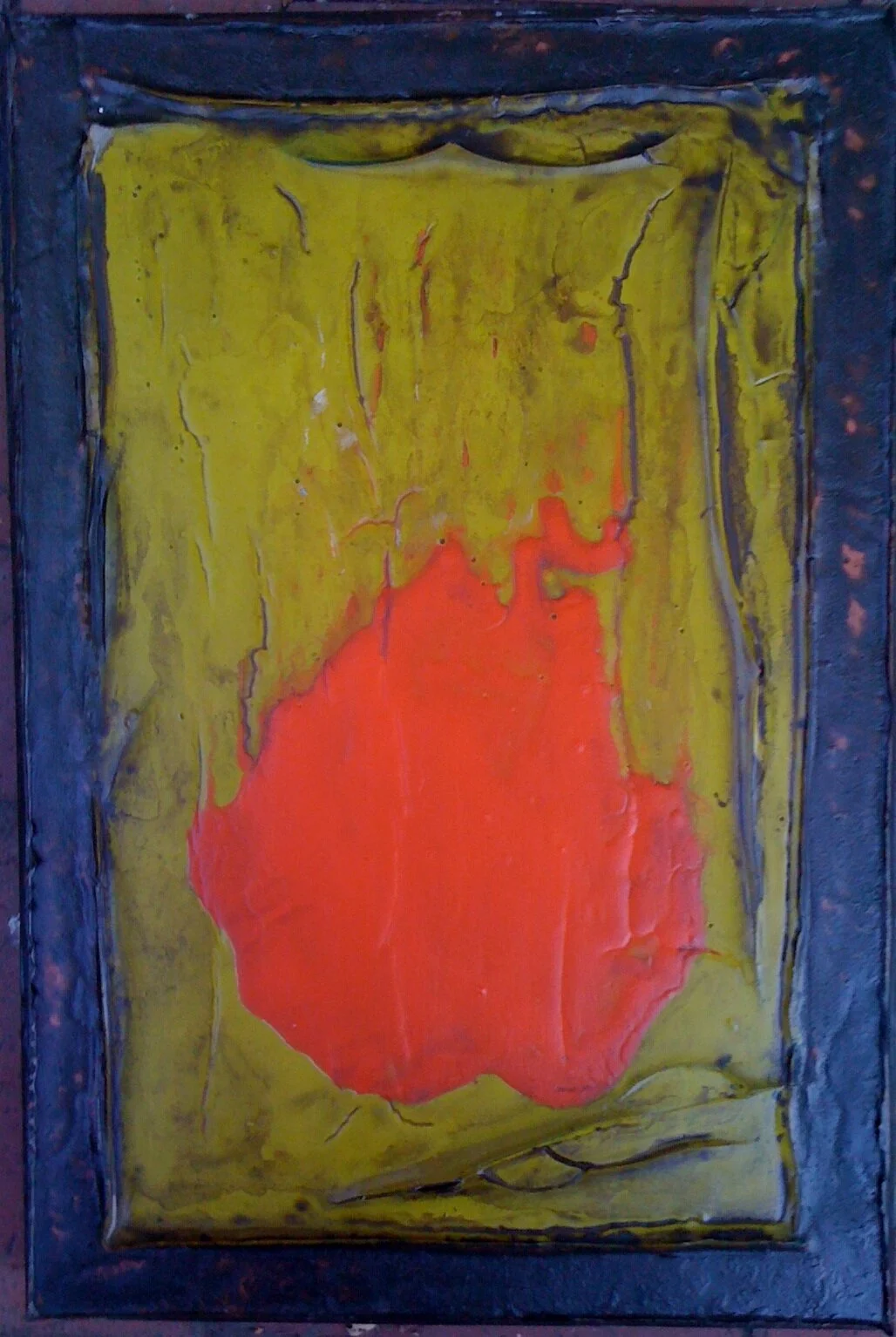
The Trophy, 15" x 10"
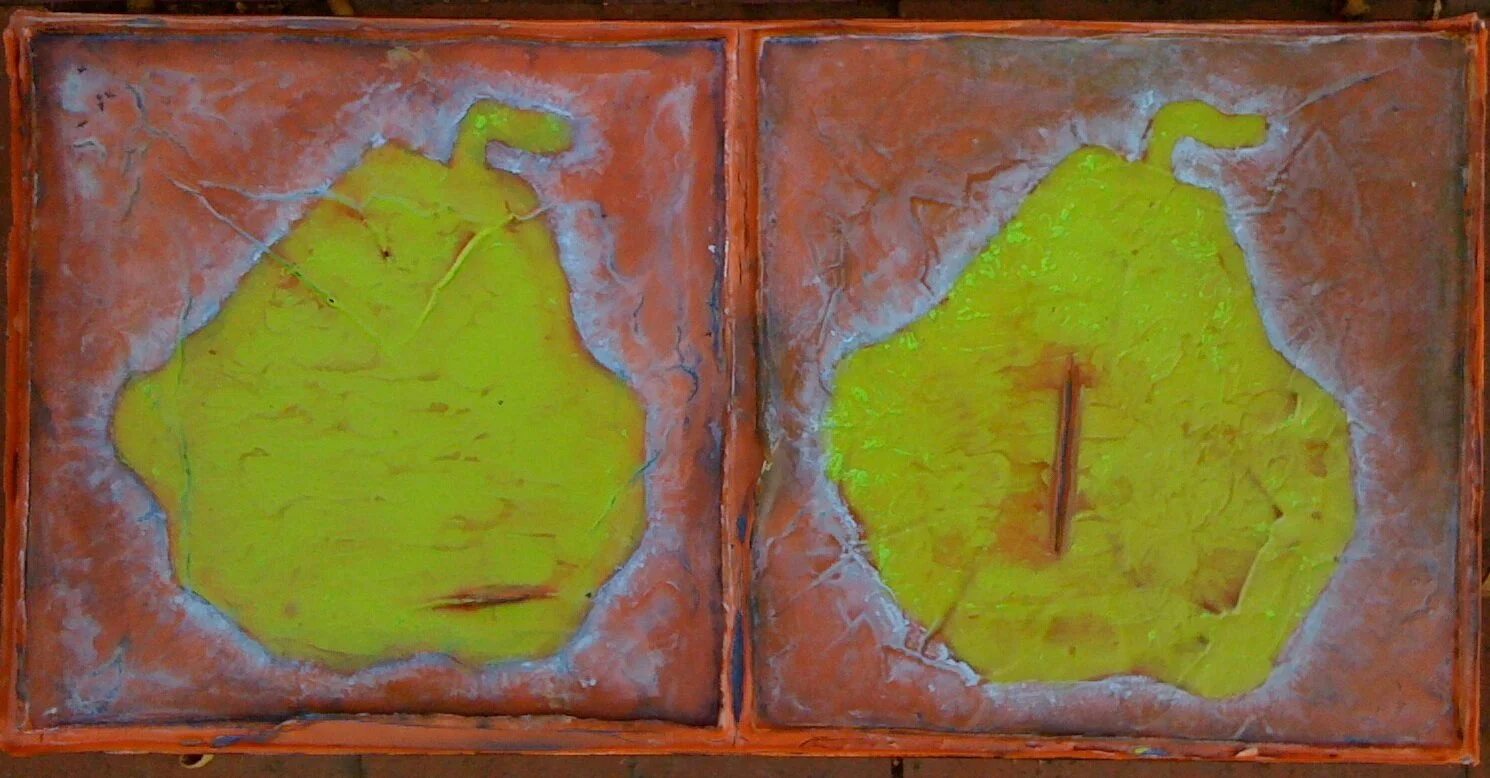
Souvenirs, 10" x 15"